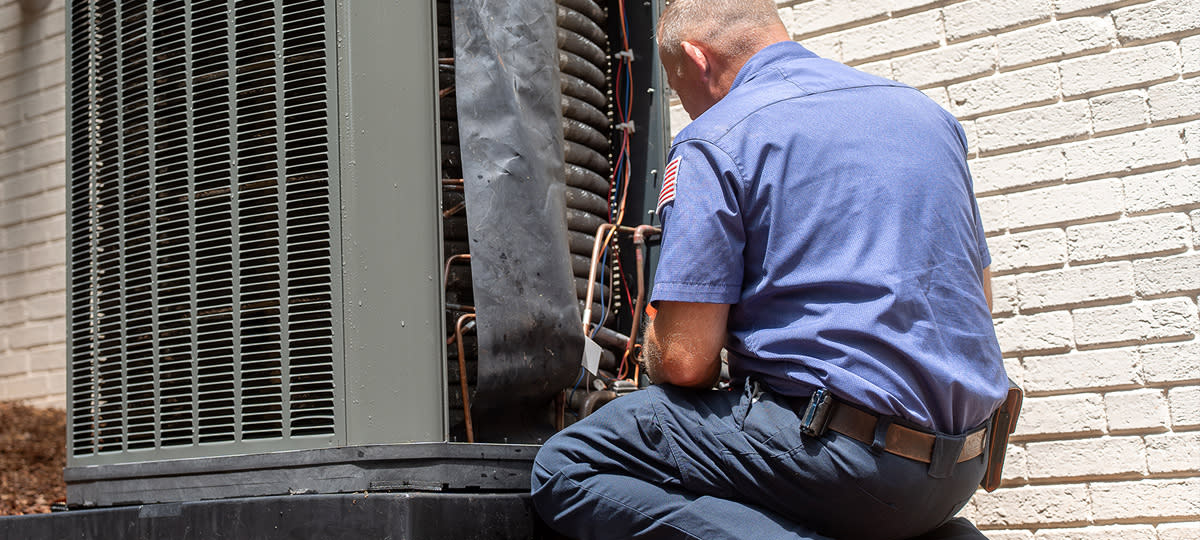
Heat Pump vs. AC + Furnace in 2026: What Homeowners Should Choose
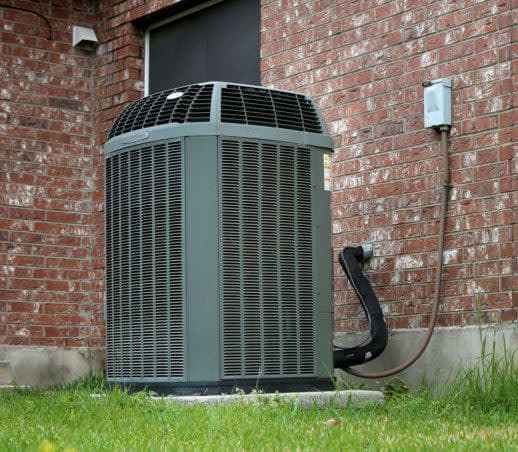
Heat Pump vs. AC + Furnace in 2026: What Homeowners Should Choose
If your HVAC system is aging out, 2026 might be the year you finally ask the big question: heat pump or AC and furnace? What used to be a simple decision has turned into a real debate. Heat pumps are everywhere now, promising efficiency and year-round comfort, while traditional systems still have their loyal fans.
So which one makes sense for your home? Instead of technical jargon and sales talk, this article gives you a clear, honest look at how these systems compare today and what homeowners should really consider before choosing.
The Big Picture: How These Systems Work
Before diving into comparisons, it helps to understand the basics.
A traditional AC + furnace system uses:
An air conditioner for cooling
A gas or electric furnace for heating
Separate components working seasonally
A heat pump:
Heats and cools using the same system
Moves heat instead of generating it
Runs entirely on electricity
Think of a heat pump like a reverse refrigerator. It pulls heat from one place and moves it somewhere else. In summer, it removes heat from your home. In winter, it pulls heat from the outdoor air and brings it inside, even when it’s cold.
Is a heat pump better than an AC and furnace system in 2026?
In many cases, yes, but not always. Heat pumps have improved dramatically in the last few years. Newer models are more efficient, quieter, and better suited for varied climates.
Heat pumps tend to be better when:
Electricity rates are reasonable
Homes are well insulated
Homeowners want lower long-term energy use
Reducing carbon footprint matters
AC and furnace systems still make sense when:
Natural gas is cheap and reliable
The home already has ductwork and gas lines
Extremely cold winters are common and frequent
In 2026, that gap has all but disappeared. Heat pumps are no longer just the “other option.” They’re a legitimate choice for primary heating and cooling in many homes. That said, it’s smart to have a qualified electrical company assess your panel and overall electrical load first. A quick evaluation helps confirm your home is ready and ensures the system performs safely and efficiently from day one.
Is electrical load higher for heat pumps than AC and furnace systems?
This is a smart question, especially with more homes adding EV chargers and smart appliances.
Heat pumps do use electricity year-round, while gas furnaces rely on fuel for heating. That means:
Electrical demand can be higher during winter
Panel capacity should be evaluated before installation
However, modern heat pumps are more efficient than older electric heating systems, and many homes don’t need a full electrical upgrade. A professional load calculation helps determine whether adjustments are needed.
Are heat pumps more energy efficient than traditional HVAC systems?
Short answer: yes, almost always.
Heat pumps don’t create heat. They move it. That alone gives them a major efficiency advantage. Many modern heat pumps operate at efficiencies over 300 percent, meaning they deliver more energy than they consume.
Traditional systems:
Furnaces burn fuel or use resistance heat
AC units cool only, with no heat recovery
Efficiency drops as systems age
Heat pumps:
Use inverter-driven compressors
Adjust output based on demand
Maintain steady indoor temperatures with less energy
This efficiency often translates into lower monthly energy bills, especially in moderate climates.
Which HVAC system has lower operating costs heat pump or AC and furnace?
Operating costs depend on local utility rates, but heat pumps usually win over time.
Here’s why:
One system does both heating and cooling
Fewer mechanical components to maintain
Higher efficiency means less energy use
That said, if your area has very cheap natural gas and high electricity costs, a gas furnace might still be competitive during peak winter months. Many homeowners in 2026 are also choosing dual-fuel systems, which pair a heat pump with a gas furnace for the best of both worlds.
Do heat pumps work well in cold climates in 2026?
This used to be a dealbreaker. Not anymore.
Cold-climate heat pumps in 2026 are designed to operate efficiently well below freezing. Advanced compressors and refrigerants allow them to extract heat even when outdoor temperatures drop into the single digits.
They work especially well when:
Homes are properly insulated
Windows and doors are energy efficient
The system is sized correctly
In extreme cold snaps, some systems use backup electric heat or a secondary furnace, but for most winters, modern heat pumps hold their own.
Does a heat pump require a different concrete pad than an AC unit?
In most cases, no.
Heat pumps and AC units are close in size and weight, which means the existing concrete pad often works without any issues. The key difference is that heat pumps run all year, not just in summer, so where and how they’re set matters a bit more. In some cases, an HVAC installer may suggest looping in a concrete contractor to make sure the pad is level, properly supported, and built for long-term use.
Installers may recommend:
Slightly elevated pads in areas that see snow or heavy rain
Vibration-dampening pads to help reduce noise
Proper drainage to prevent water buildup
If you already have an AC pad, there’s a good chance it can be reused or only needs minor adjustments.
Can heat pumps be installed near patios or outdoor living areas?
Yes, but placement is important.
Heat pumps are generally quieter than older AC units, especially variable-speed models. Still, since they run in both summer and winter, thoughtful positioning helps avoid issues.
Best practices include:
Maintaining proper clearance for airflow
Avoiding direct placement next to seating areas
Using sound-reducing barriers if needed
With smart planning, a heat pump can coexist nicely with patios, decks, and outdoor kitchens without becoming a distraction.
Comfort and Temperature Control
One underrated advantage of heat pumps is comfort consistency.
Traditional systems:
Cycle on and off more frequently
Can create temperature swings
Deliver bursts of hot or cold air
Heat pumps:
Run longer at lower speeds
Maintain steady temperatures
Reduce hot and cold spots
Many homeowners notice their home simply feels more balanced, especially during shoulder seasons like spring and fall.
Maintenance and Longevity
Maintenance needs are fairly similar, but there’s a twist.
Heat pumps:
Replace both AC and furnace maintenance
Require regular filter changes and annual checkups
Typically last 12 to 15 years
AC + furnace systems:
Two systems to maintain
Furnace heat exchangers add complexity
Lifespan varies between components
Fewer parts often mean fewer surprises, which is one reason heat pumps are appealing to homeowners who prefer simplicity.
Environmental Impact
In 2026, environmental impact matters more than ever.
Heat pumps:
Produce no on-site emissions
Pair well with solar panels
Reduce overall carbon footprint
As power grids continue shifting toward renewable energy, heat pumps become even cleaner over time. For homeowners thinking long-term, this is a big plus.
Final Thoughts: What Should You Choose
There’s no universal answer, but the decision is clearer than it used to be.
Choose a heat pump if you want:
High efficiency
Lower long-term operating costs
A cleaner energy solution
Consistent comfort year-round
Stick with AC + furnace if:
Natural gas is inexpensive where you live
Your home already has a newer furnace
You prefer a traditional setup
In 2026, both options are solid. The best choice comes down to how your home is built, how you use energy, and what matters most to you.
Smart HVAC Choices Start with the Right Team
Making an HVAC decision isn’t just about equipment. It’s about guidance, planning, and proper installation. That’s where Horne HVAC Charlotte comes in. They help homeowners understand their options, compare real-world costs, and choose systems that fit their homes and lifestyles. Their team looks at insulation, electrical capacity, comfort goals, and long-term savings, not just what’s trending.
If you’re weighing a heat pump against an AC and furnace system, Horne HVAC Charlotte offers clear answers, honest recommendations, and professional installation that’s built to last.
Images